Morel Mushroom Embroidery Design
As an embroidery designer and product reviewer, I’ve evaluated countless machine embroidery designs. Morel Mushroom stands out as a unique and versatile option for food-themed projects. Its natural, earthy aesthetic makes it ideal for custom apparel, handmade products, and personalized gifts. But like any design, it has its strengths and limitations that need to be considered before use.
First Impressions: A Natural and Versatile Design
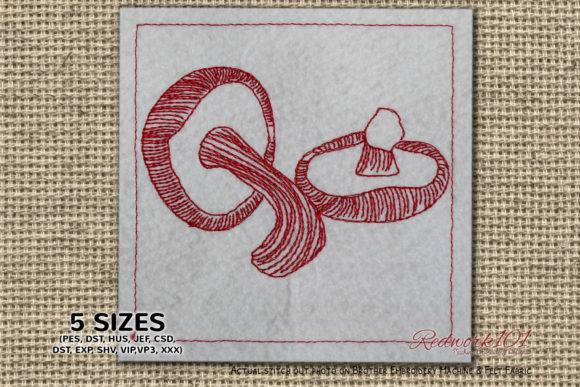
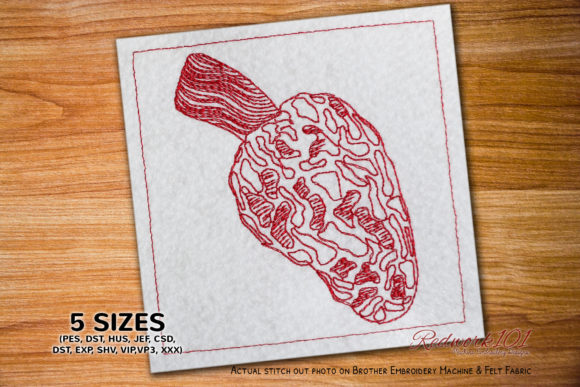
The Morel Mushroom design immediately conveys a sense of organic beauty. The shape is clean and recognizable, with enough detail to feel authentic without being overly complex. It’s not just a simple outline—it includes subtle textures and shading that suggest depth and realism. This makes it perfect for items like tote bags, aprons, and baby clothes where a soft, nature-inspired touch is desired.
The layout is well-balanced, making it easy to place on various surfaces. Whether you’re stitching onto a sweatshirt or a pillow cover, the design doesn’t feel cramped or awkward. It works best on flat, smooth fabrics but can also be adapted for curved surfaces with some careful planning.
Real-World Use Cases: Where Morel Mushroom Shines
For small business owners and Etsy sellers, Morel Mushroom is a solid choice for seasonal or themed merchandise. It fits naturally into holiday gift items, such as embroidered tea towels or kitchen linens. It also works well for boutique branding, especially if your shop focuses on rustic, nature-inspired, or farm-to-table aesthetics.
When used on custom apparel—like a tote bag design or sweatshirt embroidery—the mushroom adds a subtle yet meaningful visual element. It’s not too flashy, which makes it suitable for both casual and semi-formal settings. For baby items, it brings a gentle, comforting vibe that parents might appreciate in onesies or blankets.
As an applique design, Morel Mushroom could be used to create embroidered patches or fabric-based decorations. Its size and detail level make it adaptable for different project scales, from small caps to larger decorative pieces.
Where to Be Cautious: Limitations and Considerations
While Morel Mushroom is visually appealing, it’s not a one-size-fits-all design. On small hoop sizes, the details may become too tight, leading to potential stitching issues. If you’re working with textured fabrics or thin materials, the stitch density might cause puckering or distortion.
On dark fabrics, the design’s contrast can be an issue. Depending on the thread colors used, the mushroom may not stand out as clearly as intended. Similarly, on stretchy or layered garments, the design may shift or lose definition over time.
If you’re planning to use Morel Mushroom on curved surfaces like caps or hats, consider how the design will wrap around the curve. Some areas may require repositioning or adjusting the placement to maintain clarity and balance.
Impact on Visual Appeal and Customer Perception
When executed well, Morel Mushroom enhances the visual appeal of any finished product. It adds a touch of sophistication and personality that can elevate a basic item into something more memorable. For handmade products, this kind of design helps build customer trust and encourages repeat purchases.
As a digital embroidery file, it offers value to craft businesses and creative entrepreneurs looking for unique design assets. Whether you’re creating printable mockups or preparing for an Etsy listing, the design provides a professional look that resonates with buyers who appreciate quality and thoughtfulness.
Its versatility also makes it a strong candidate for commercial embroidery projects. With proper stabilizer and stitch settings, it can be used in high-volume production without sacrificing quality. For small shop products, it adds a layer of authenticity that can set your offerings apart from generic options.
Practical Designer Notes: Testing and Preparation
Before committing to a project, always test Morel Mushroom on scrap fabric. This allows you to assess how the design looks in different thread colors and fabric types. Pay attention to the stitch density—some areas may require adjustment to avoid overcrowding or gaps.
Check the hoop size needed for the design. If you’re using a smaller hoop, consider breaking the design into sections or adjusting the scale. Also, inspect small details like the edges of the mushroom to ensure they remain sharp and defined after stitching.
For black and white mockups, the design should still hold up. This is important for digital product previews and printable mockups that clients may request. Compare the design on light and dark backgrounds to see how it performs in different scenarios.
Finally, confirm whether the design is licensed for commercial use. Even if the design itself is free, you may need permission to sell finished products or digital files. Always double-check these details before proceeding with a project.
Final Thoughts: A Thoughtful Addition to Your Design Library
Morel Mushroom is a thoughtful and practical embroidery design that offers a lot of potential for real-world use. It’s not overly complicated, but it has enough detail to feel meaningful. Whether you’re creating custom apparel, personalized gifts, or small shop merchandise, this design can add a touch of nature and elegance to your work.
With proper preparation and attention to fabric type, hoop size, and stitch settings, Morel Mushroom can become a reliable part of your embroidery project toolkit. It’s a great example of how a simple design, when executed well, can make a big impact on both the finished product and the customer experience.