Microwave Lineart Review
First Impressions of Microwave Lineart
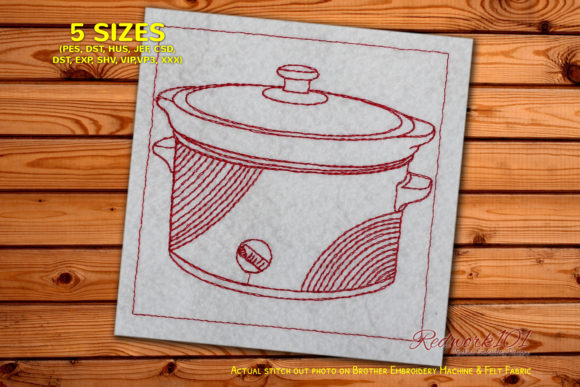
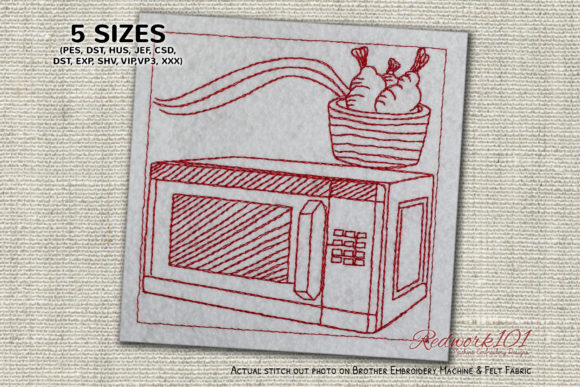
When I first laid eyes on Microwave Lineart, it immediately caught my attention with its clean, minimalist aesthetic. The design feels modern and functional, which makes sense given its kitchen-themed context. The line work is precise, and the overall layout suggests a focus on clarity rather than complexity.
The shape and theme of Microwave Lineart evoke a sense of simplicity and utility. It’s not overly ornate, but it has enough character to stand out on its own. This makes it ideal for projects that aim to blend practicality with a touch of personality.
As an embroidery designer, I appreciate how this design can be adapted to various applications. Whether it's for a custom tote bag or a personalized kitchen towel, Microwave Lineart offers a versatile foundation that can be tailored to different needs.
Real-Life Use Cases for Microwave Lineart
Imagine you're working on a custom embroidered tote bag for a client who loves cooking. Microwave Lineart could be the perfect addition, offering a subtle yet meaningful design that reflects their interests. The clean lines would look great on a cotton canvas tote, adding a professional touch without overwhelming the fabric.
For a small business owner selling handmade products, Microwave Lineart could be a valuable asset. It's suitable for sweatshirt embroidery, baby clothes, and even aprons. The design’s simplicity ensures it works well on a range of fabrics, from light to medium weight materials.
Another scenario might involve creating a holiday gift for a friend or customer. A microwave-themed design on a pillow cover or tea towel could make a thoughtful and unique present. The lineart style allows for easy customization, making it a flexible choice for personal or commercial use.
Performance in Real Embroidery Situations
In practice, Microwave Lineart performs well on most standard fabrics. Its moderate stitch density means it won’t cause puckering on thin or stretchy materials, as long as the proper stabilizer is used. However, I would advise caution when using it on very dark fabrics, as the contrast might not be as sharp as desired.
For custom apparel like t-shirts or caps, the design holds up nicely. The line work remains clear, and the overall look is polished. However, if you're planning to use it on a curved surface like a cap, you may need to adjust the hoop size or consider alternative placement to maintain visual balance.
When it comes to baby items, Microwave Lineart is a safe bet. Its simple form avoids any potentially harsh details, making it suitable for delicate fabrics. It also pairs well with soft, pastel thread colors, enhancing the gentle aesthetic of nursery decor.
Where to Use Microwave Lineart with Caution
While Microwave Lineart is generally reliable, there are a few situations where it might not perform as expected. Small hoop sizes can be a challenge, especially if the design includes intricate corners or tiny elements. You may need to break the design into sections or adjust the layout accordingly.
Textured fabrics or those with a heavy weave can sometimes obscure the fine lines of the design. In such cases, a higher thread contrast or a more prominent stitch type like satin stitch might help bring out the details better.
For products that require frequent washing, such as kitchen towels or baby clothes, it's important to ensure the design is securely stitched and properly stabilized. This will help maintain the integrity of the embroidery over time.
Impact on Visual Appeal and Customer Perception
Microwave Lineart contributes positively to the visual appeal of any project it’s used on. Its clean lines and minimalistic approach add a sense of sophistication that can elevate the perceived value of a handmade product. Customers often notice and appreciate designs that are both functional and aesthetically pleasing.
From a branding perspective, this design can be a strong asset for small businesses looking to create consistent, recognizable visuals. Whether it's for an Etsy listing or a craft fair booth, Microwave Lineart offers a professional look that aligns with modern design trends.
When it comes to giftability, the design’s simplicity makes it a safe choice for personalized gifts. It’s less likely to be too specific or niche, making it a versatile option for a wide range of recipients.
Practical Designer Notes for Using Microwave Lineart
Before committing to a project, I always recommend testing Microwave Lineart on scrap fabric. This helps identify any potential issues with stitch density, thread color contrast, or fabric compatibility. It’s also a good idea to review the design in black and white mockups to see how it translates on different backgrounds.
If you’re planning to use this design for commercial purposes, make sure to check the licensing terms. While the product description mentions that the outer box color can be skipped, it doesn’t specify whether the design is suitable for resale or digital distribution. Always confirm these details before proceeding.
Lastly, don’t overlook the importance of proper stabilizer. Even a well-designed embroidery file can fall flat without the right support. For best results, use a lightweight tear-away stabilizer on most fabrics, and consider a cut-away for stretchy or delicate materials.