Black Fly Lineart Review
First Impressions of Black Fly Lineart
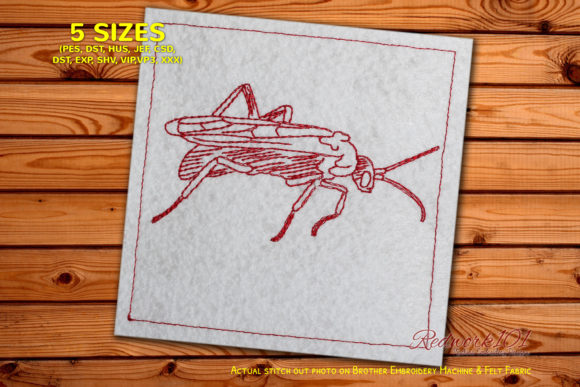
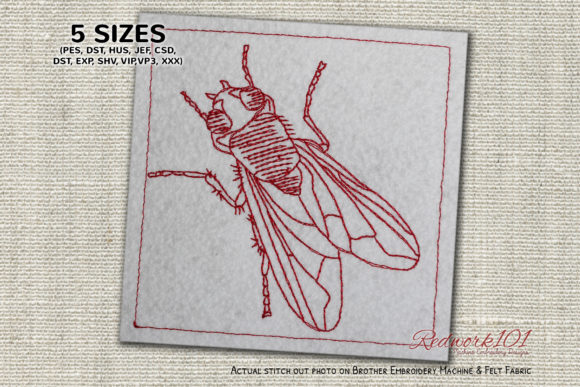
Black Fly Lineart delivers a bold and modern aesthetic that stands out in a sea of traditional embroidery designs. The clean, minimalist line work captures the essence of a black fly with a level of detail that feels both artistic and practical. It’s not overly cute or whimsical, but rather sophisticated enough to appeal to a wide range of customers. This design has a subtle edge that makes it perfect for those looking to add a touch of intrigue to their craft fair products.
Where Black Fly Lineart Shines
When considering where Black Fly Lineart would stand out, the design excels on fabric items that allow for clear visibility and high contrast. Tote bags, aprons, and tea towels are ideal platforms for this design. Its simplicity ensures that it remains visible even at smaller sizes, making it a great choice for embroidered patches and small pouches. The design also works well as a focal point on pillow covers and market bags, offering a unique visual element that can elevate the overall look of a handmade product.
For Etsy sellers and small shop product creators, Black Fly Lineart is a strong contender for digital embroidery files. It translates well into printable mockups, allowing buyers to visualize how the design will appear on different fabrics. As a machine embroidery design, it offers versatility, working equally well on plain cotton, denim, or even textured towels.
Practical Selling and Production Points
One of the key strengths of Black Fly Lineart is its clarity at a glance. The design is easy to understand and doesn’t require close inspection to appreciate. This makes it an excellent choice for booth samples and display pieces at craft fairs. Customers are more likely to notice and remember a design that is immediately recognizable.
The design can be adapted for both small accents and large focal points, depending on the product. On caps and patches, it maintains its integrity without becoming too busy. For larger items like tote bags or aprons, it serves as a striking centerpiece that draws attention. However, when used in smaller sizes, care must be taken to ensure that the line work remains legible.
Photographing Black Fly Lineart for online listings is straightforward. The high contrast between the black lines and the background fabric makes it visually appealing in photos. This is especially beneficial for Etsy sellers who rely on clear images to attract buyers. The design also lends itself well to commercial embroidery projects, as it can be repeated consistently across multiple items without losing quality.
Careful-Use Notes for Embroidery Designers
While Black Fly Lineart is generally easy to work with, there are a few considerations to keep in mind. The design includes some dense stitch areas that may require additional stabilizer to prevent puckering, especially on thinner fabrics. Tiny details may be lost on thick or textured materials, so testing on scrap fabric is highly recommended before production.
On curved cap surfaces, the design may need slight adjustments to maintain its shape and alignment. Dark fabrics can enhance the contrast of the black lines, but light-colored fabrics may require a different thread color for optimal visibility. Additionally, the design may lose clarity at smaller sizes, so it's important to review the spacing and stitch density before finalizing the embroidery file.
Impact on Visual Appeal and Customer Engagement
Black Fly Lineart adds a sense of premium quality to any handmade product. Its clean lines and modern feel make it suitable for boutique makers and creative entrepreneurs looking to offer something unique. When displayed at a craft fair booth, it can serve as a conversation starter, drawing in customers who appreciate artistic and unconventional designs.
The design also supports brand consistency, especially for businesses that focus on nature-inspired or edgy themes. It enhances the value of finished products by offering a distinctive visual element that sets them apart from mass-produced alternatives. For small shop product creators, this design can be a reliable addition to their collection, providing both aesthetic appeal and practicality.
Embroidery Designer Notes for Success
Before committing to production, it's essential to test Black Fly Lineart on various fabric types. Check thread colors against the intended background to ensure maximum contrast. Review the hoop size to confirm that the design fits comfortably and doesn’t require excessive trimming or resizing.
Inspect the stitch density to avoid overworking the fabric, especially on delicate or stretchy materials. Use the right stabilizer to maintain the integrity of the design, particularly on textured towels or dark fabrics. Creating at least one real mockup is crucial for understanding how the design will look in person and how it might interact with different fabric textures.
Compare fabric colors to determine which ones best complement the black lines. Finally, confirm commercial licensing before selling finished products to ensure that all legal requirements are met. These steps will help ensure that Black Fly Lineart is not only visually appealing but also commercially viable for craft fair sellers and handmade shop owners.